Explore every type of nursing online program, from a CNA certificate to a Master of Science in Nursing. Learn about online degree requirements, salary expectations, and in-person clinicals.
A career in nursing offers a rewarding path filled with opportunities for growth and the chance to make a real difference. With the demand for skilled nurses higher than ever, many aspiring professionals are looking to a nursing online program for its flexibility. But with so many options available—from nursing assistant to a master of science in nursing—how do you choose the right path?
This guide is your complete roadmap. We will break down every level of online nursing education, explain the crucial role of in-person clinical training, and provide a clear picture of the salary for nursing at each stage.
Editor’s note (YMYL): Nursing is a licensed profession governed by state boards (like the Nursing Florida Board). It is critical to understand that while coursework can be completed online, all programs that lead to an initial license (LPN, RN) require mandatory in-person clinical hours. Always ensure any program you consider is accredited and approved by your state’s Board of Nursing.
The Truth About Nursing Online Programs: The Hybrid Model
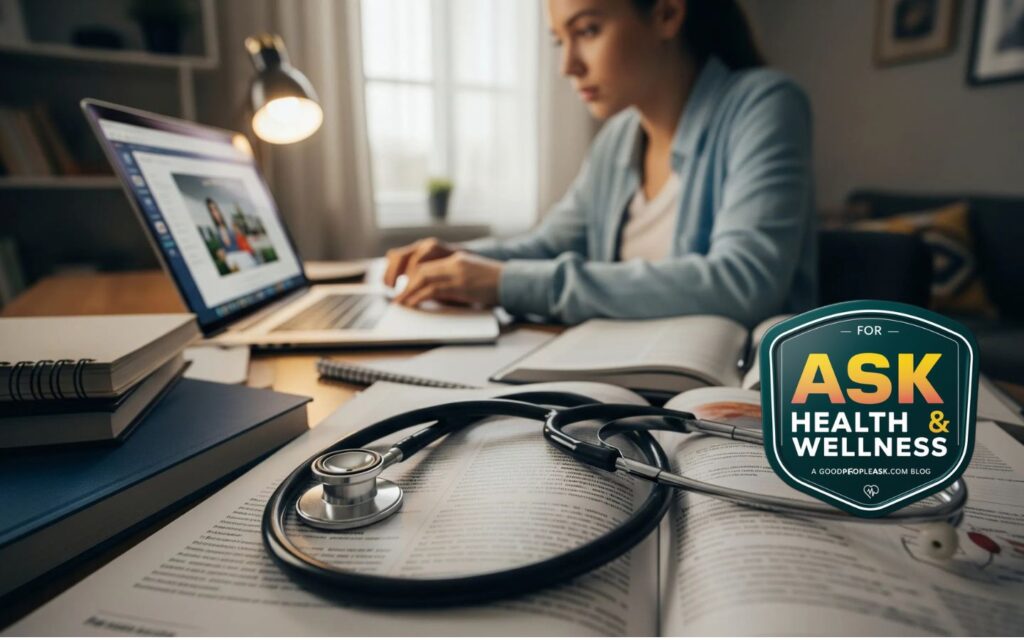
The most important concept to understand is that no one becomes a registered nurse (RN) or a licensed practical nurse (LPN) entirely online. Pre-licensure programs operate on a hybrid model:
- Online Coursework: You complete your theoretical classes—like anatomy, pharmacology, and nursing theory—through an online platform.
- In-Person Clinicals: You must complete a set number of supervised, hands-on hours in real-world healthcare settings like hospitals and clinics. This is a non-negotiable requirement for licensure.
Programs for already-licensed nurses, like an RN-to-BSN or an MSN, may be fully online.
Quick View: Comparing Every Nursing Online Program Level
| Program/Degree | Typical Online Portion | Key Outcome | Average US Salary (Median, 2022 BLS) |
| Nursing Assistant (CNA) | Hybrid (Online Courses + In-Person Labs/Clinicals) | Certificate of Nursing Assistant | ~$35,760/year |
| Licensed Practical Nurse (LPN) | Hybrid (Online Courses + In-Person Clinicals) | LPN License (after NCLEX-PN exam) | ~$54,620/year |
| Associate Degree (ADN) | Hybrid (Online Courses + In-Person Clinicals) | RN License (after NCLEX-RN exam) | ~$81,220/year (for all RNs) |
| Bachelor’s Degree (BSN) | Hybrid (Pre-licensure) or Fully Online (RN-to-BSN) | RN License & BSN Degree | ~$81,220/year (for all RNs) |
| Master of Science (MSN) | Often Fully Online | Advanced roles (NP, CNS, Educator, Admin) | ~$125,900/year (for APRNs) |
A Deeper Look at Each Online Nursing Pathway
Online Nursing Assistant Course (CNA)
This is the fastest entry point into healthcare. An online nursing assistant course prepares you for the state exam to earn your certificate of nursing assistant. The certified nursing assistants salary reflects an entry-level, vital support role.
Licensed Practical Nursing (LPN) Online Program
A practical nursing online program trains you to provide essential patient care under the supervision of an RN. These hybrid programs are typically about one year long and are a great way to enter the nursing field quickly.
Online Associate Degree in Nursing (ADN)
An associate degree in nursing is the most common path to becoming a Registered Nurse (RN). These programs take about two years and focus heavily on core clinical skills.
Online Bachelor Degree in Nursing (BSN)
A bachelor degree in nursing provides a more comprehensive education, including topics like research, leadership, and community health. While pre-licensure BSN programs are hybrid, RNs with an associate degree can enroll in fully online RN-to-BSN bridge programs to advance their careers.
Online Master of Science in Nursing (MSN)
For registered nurses looking to advance, a master of science in nursing is the key. These programs are often fully online and allow nurses to specialize as a Nurse Practitioner (NP), Clinical Nurse Specialist (CNS), Nurse Educator, or Administrator. A dr in nursing (Doctor of Nursing Practice or DNP) is the next step for terminal practice-focused degrees.
Frequently Asked Questions (FAQ)
How much does nursing earn?
varies significantly by role and location. Per the BLS, the median salary for a Certified Nursing Assistant is about $36k, for an LPN it’s about $55k, and for a Registered Nurse (with an ADN or BSN) it’s over $81k. Advanced Practice Nurses with an MSN or DNP can earn well over $125k.
Can you become a Registered Nurse entirely online?
No. While you can complete the theoretical coursework of an online nursing degree from home, you must complete hundreds of hours of in-person clinical training in a healthcare facility to be eligible to take the NCLEX-RN licensing exam.
What’s the difference between an LPN and an RN?
An LPN provides basic nursing care and works under the supervision of an RN. An RN has a broader scope of practice, including administering medication, performing more complex treatments, and developing patient care plans.
Are online nursing degrees respected?
Yes. An online nursing program from a properly accredited institution that is approved by your state’s Board of Nursing is just as valid and respected as a traditional on-campus program.
Summary: Finding the Right Nursing Online Program for You
An online nursing program offers a flexible and effective pathway into one of the most essential and rewarding professions. The key is to understand the requirements: choose the right degree level for your career goals, embrace the hybrid model of online classes and in-person clinicals, and, most importantly, ensure your chosen program is fully accredited and approved by your state’s Board of Nursing.
Sources
- U.S. Bureau of Labor Statistics (BLS) – Occupational Outlook Handbook: Official government data on careers, salary, and job outlook for Nursing Assistants, LPNs, and Registered Nurses.
- American Association of Colleges of Nursing (AACN): Provides information on nursing education standards, including BSN and MSN programs.
- National Council of State Boards of Nursing (NCSBN): The organization responsible for the NCLEX licensing exams and a resource for state board information.