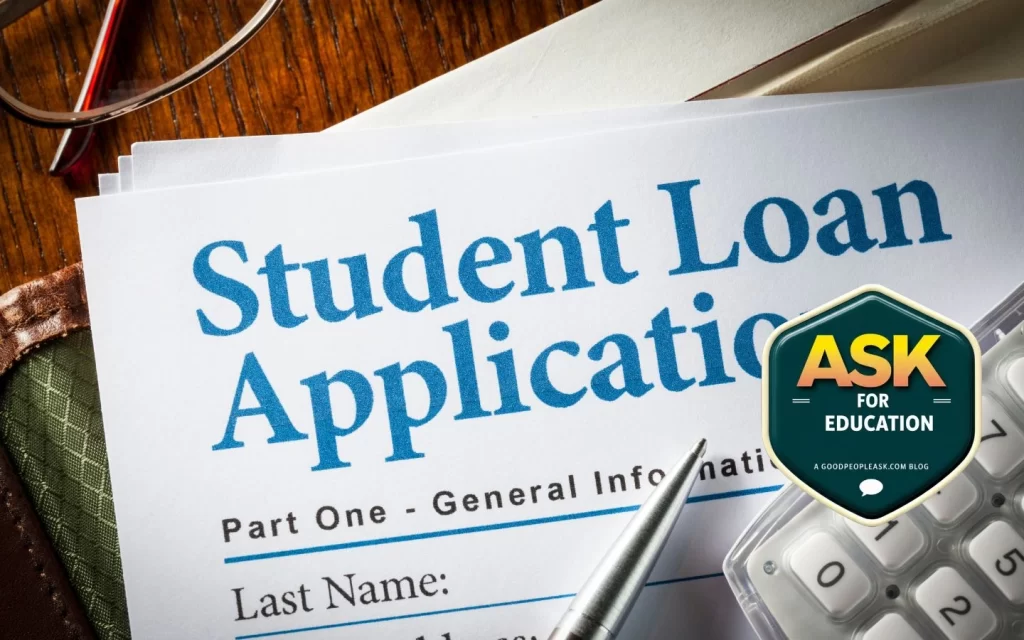
Our guide explains federal vs. private loans, deferment, default, and options for loans without a cosigner. Understand your options and take control.
For millions of Americans, student loans are an essential tool to make higher education a reality. However, the process can feel complex and intimidating. Between the different types of loans, interest rates, and repayment plans, it’s easy to feel overwhelmed.
This guide was created to be your starting point. We’ll demystify the fundamental difference between federal and private loans, explain the most important terms you need to know, and answer the most common questions so you can make financial decisions with confidence.
Editor’s Note (YMYL): The information in this article is for educational purposes. Loan terms, rates, and regulations can change. Always consult the information on official websites like StudentAid.gov and speak with a financial advisor before making any decisions.
Quick View: Federal vs. Private Student Loans
The most important decision you’ll make is between a federal and a private loan. The table below summarizes the key differences:
| Feature | Federal Student Loans | Private Student Loans |
| Source | U.S. Department of Education (via the FAFSA) | Banks, credit unions, online lenders (e.g., SoFi, Discover) |
| Interest Rates | Fixed and set by the government | Variable or fixed, based on your credit |
| Cosigner Requirement | Generally not required for the student | Almost always requires a good credit history or a cosigner |
| Repayment Options | Flexible (income-driven plans, loan forgiveness) | Less flexible, set by the lender |
| Benefits | Forgiveness programs, deferment, and forbearance options | May offer competitive rates for borrowers with excellent credit |
Exportar para as Planilhas
Understanding the Types and Key Terms of Student Loans
Federal Student Loans: Your First Choice
Always prioritize federal loans. They are obtained by filling out the FAFSA and offer consumer protections that private loans do not.
Private Student Loans: Filling the Gap
If federal loans don’t cover the full cost, private ones are an option. They are offered by financial institutions like Wells Fargo, Chase, and specialized lenders. Approval will depend on your credit history. This is where many students search for student loans without a cosigner, which can be challenging but not impossible for those with good credit.
Key Concepts You MUST Understand:
- Loan Servicer: After your loan is disbursed, it is managed by a company called a “loan servicer.” They process your payments and answer your questions. Companies like MOHELA, Navient, or Great Lakes are examples of servicers for federal loans.
- Student Loans Deferment: This is an option that allows you to temporarily pause your payments under certain conditions, such as unemployment or returning to school.
- Student Loans Default: This occurs when you fail to make payments for an extended period (typically 270 days for federal loans). Default has serious consequences.
- Garnish Wages: One of the most severe consequences of student loans default on federal loans is that the government can take a portion of your paycheck (garnish wages) to repay the debt.
Frequently Asked Questions (FAQ)
Is it possible to get student loans without a cosigner?
Yes, it is. Nearly all federal student loans for undergraduate students do not require a cosigner. For private loans, it is more difficult and typically requires the student to have a good credit history and a stable income.
What happens if I can’t make my student loan payments?
Don’t ignore the problem! Contact your loan servicer immediately. You may be eligible for options like student loans deferment or an income-driven repayment plan, which could lower your monthly payment and help you avoid default.
What’s the difference between my lender and a servicer like MOHELA?
The Lender is who provides the money (e.g., the U.S. government or a private bank). The Servicer, such as MOHELA or Navient, is the company hired to manage the day-to-day aspects of your loan, like collecting payments and managing your account.
Where can I find real advice about student loans, like on Reddit?
Forums like the student loans subreddit can offer valuable peer support and personal experiences. However, for official and accurate information regarding your situation, the most reliable sources are always the official StudentAid.gov website and your loan servicer. Use forums for community support, but base your decisions on official sources.
Conclusion: Making Smart Borrowing Decisions
Student loans are a long-term journey. The key to success is education: understand the difference between federal and private loans, always prioritize federal options, know the terms of your agreement, and most importantly, never hesitate to contact your servicer if you’re struggling. Making informed decisions now can ensure your financial health for years to come.
Sources
- Federal Student Aid: The official U.S. Department of Education website with all information on federal loans, the FAFSA, and loan servicers.
- Consumer Financial Protection Bureau (CFPB): Offers unbiased tools and guides to help compare financial aid and student loan options.